AGP Executive Report
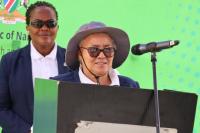
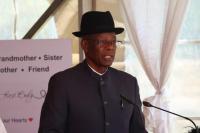
Last update: 7 hours agoLivestock Health: Foot-and-mouth disease could cost Namibia’s livestock industry N$2.397 billion in six months, the Namibia Agricultural Union estimates, as Kavango West stakeholders discuss ways to contain the disease. Maternal Health: Tributes to former First Lady Penehupifo Pohamba highlighted her work as a nurse and midwife and her support for maternity shelters that brought rural mothers closer to care. Mental Health: Khomas recorded 370 suicide cases from January 2021 to June 2026; more than 80% involved men, with Havana among the hardest-hit areas. Blood Supply: Hospital demand for blood has risen 6%, while just 1.2% of Namibians donate annually. NamBTS is urging more people to give blood and plans to open regional clinics. Medicine Safety: Pharmacists in Zambezi offered blood-pressure and sugar checks and advice on safe medicine use, disposal and traditional remedies. Cancer Screening: Nurses in Omuthiya urged women to seek cervical cancer screening, stressing that early detection can save lives. Polio Prevention: More than 168 million children received a polio vaccine dose in 22 African countries this year, but WHO warns funding gaps could threaten eradication efforts.
Note: AI summary from news headlines; neutral sources weighted more to help reduce bias in the result. Feedback is welcome. Please let us know if you have any comments or suggestions about the AGP Executive Report.
 Perspectify News